
About Tangier
Tangier faces southern Spain across the Strait of Gibraltar, about an hour by ferry from Tarifa. Its whitewashed medina, historic Kasbah, cafés above the sea and Atlantic coastline make it a fascinating first stop in Morocco and the natural gateway to Chefchaouen and the north.
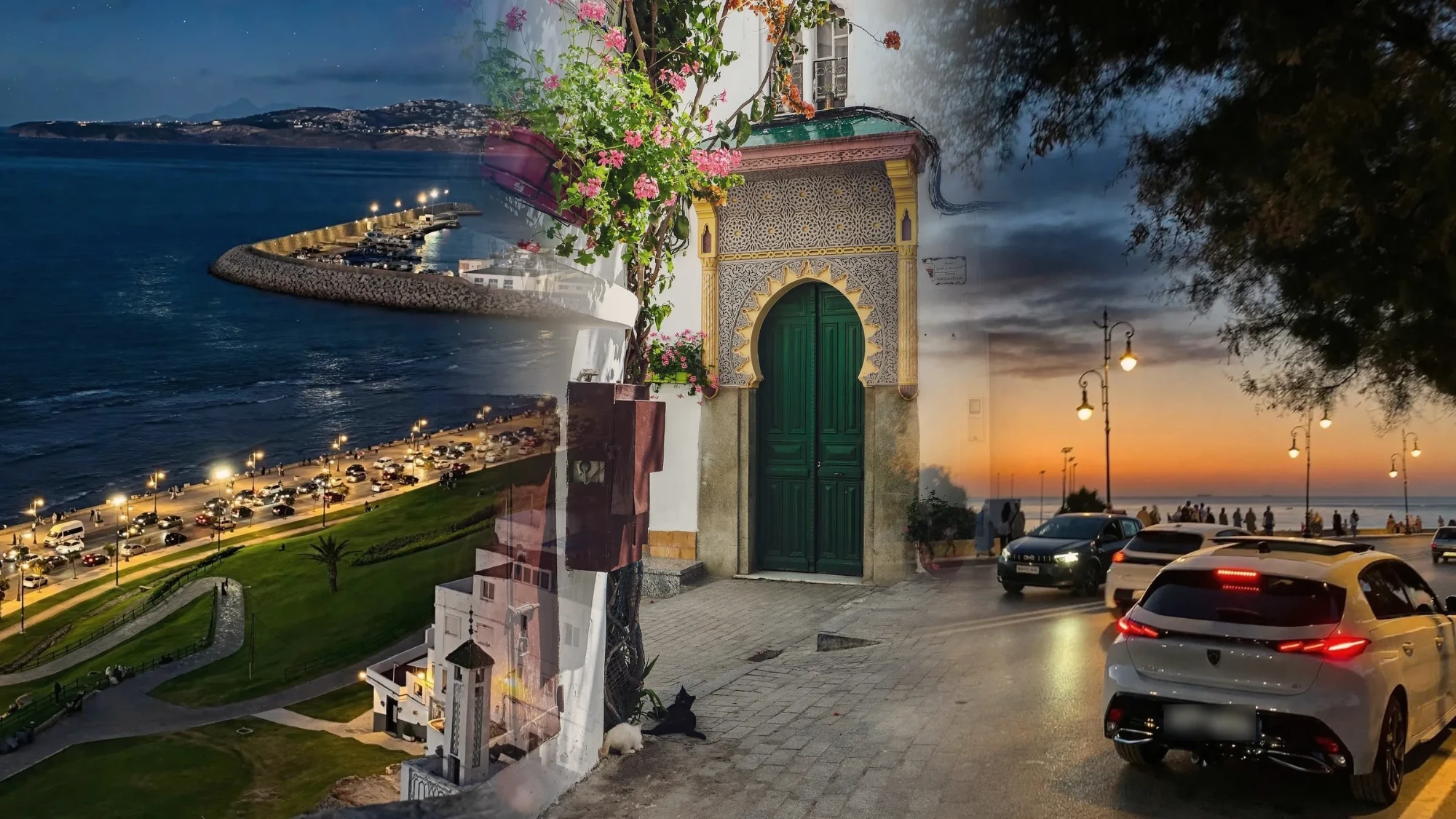
Tangier is one of the most distinctive cities in northern Morocco. Facing southern Spain across the Strait of Gibraltar, it has welcomed traders, travellers, artists and explorers for centuries. Its whitewashed medina, historic Kasbah, lively cafés, Atlantic cliffs and Mediterranean beaches offer a different perspective on Morocco.
Whether you are planning a weekend escape from Spain, starting a longer Moroccan adventure or looking for a destination beyond Marrakech and Fes, Tangier deserves a place on your itinerary.
Where is Tangier?
Tangier is in the far north of Morocco, in the Tanger-Tetouan-Al Hoceima region. The city overlooks the Strait of Gibraltar, with the Atlantic Ocean to the west and the Mediterranean Sea to the east, a meeting point between Europe and Africa that has shaped its history, architecture and culture.
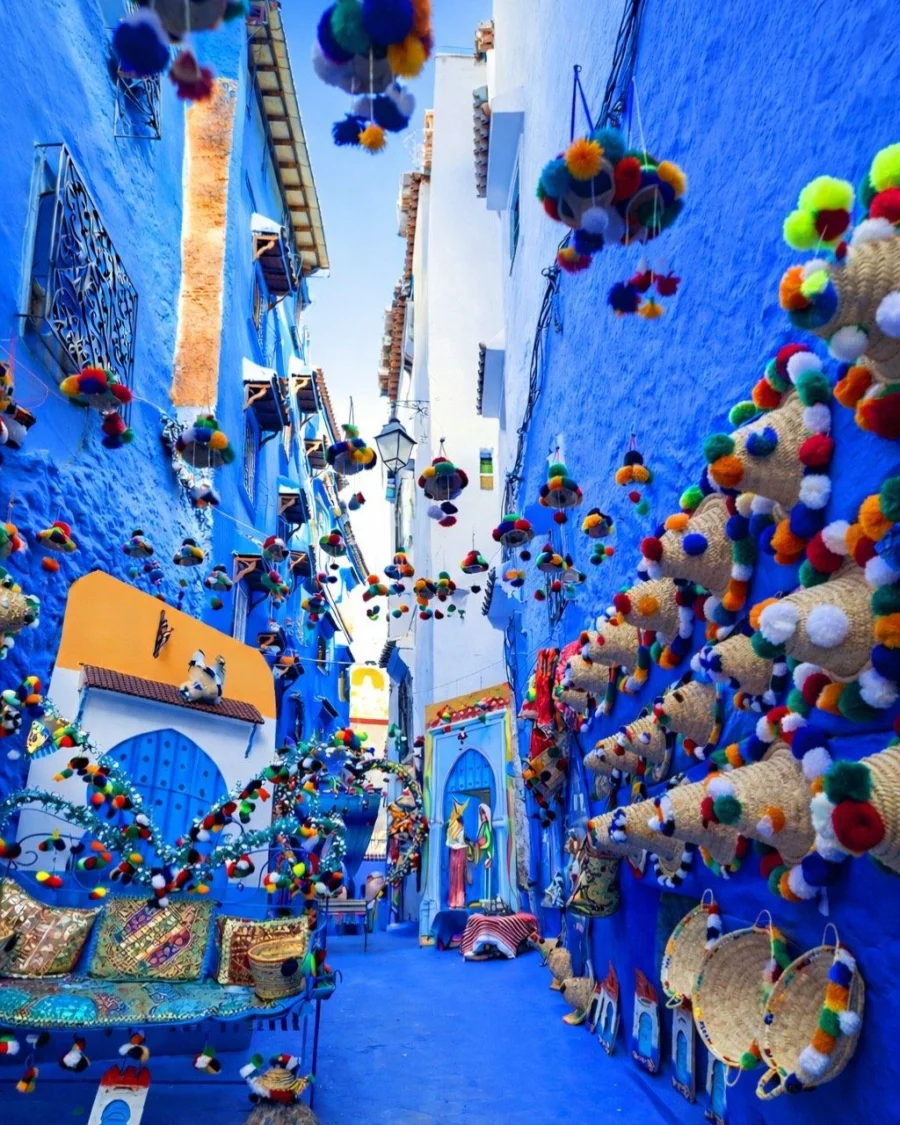
It is also an excellent base for northern Morocco: the blue streets of Chefchaouen, the historic medina of Tetouan, the coastal town of Asilah and the landscapes around Cape Spartel are all within reach.
Why visit Tangier
- Explore a historic medina and its traditional souks.
- Discover the Kasbah and its cultural heritage.
- Visit Cape Spartel and the famous Caves of Hercules.
- Enjoy Moroccan cafés, fresh seafood and traditional cuisine.
- Relax along the Mediterranean and Atlantic coastlines.
- Arrive from Spain by ferry.
- Use Tangier as a base for discovering northern Morocco.
How many days do you need in Tangier?
One day is enough for an introduction: Grand Socco, the medina and Petit Socco in the morning; the Kasbah and, if open, the Kasbah Museum before lunch; the American Legation Museum or the modern city in the afternoon; and Café Hafa or the Corniche to finish. With an early start and private transport, you can swap part of the city for Cape Spartel and the Caves of Hercules.
Two days is a good choice for most first-time visitors. Day 1 is history and city life: medina, Kasbah, the two Soccos, the American Legation Museum, traditional food and mint tea in a historic café. Day 2 is coast and nature: Cape Spartel, the Caves of Hercules, then Achakkar Beach or Perdicaris Park, and an evening walk back in town.
Three days let you slow down: add a day trip to Asilah or Tetouan, or a day of shopping, food and neighbourhoods. Chefchaouen is possible too, though it means more driving.
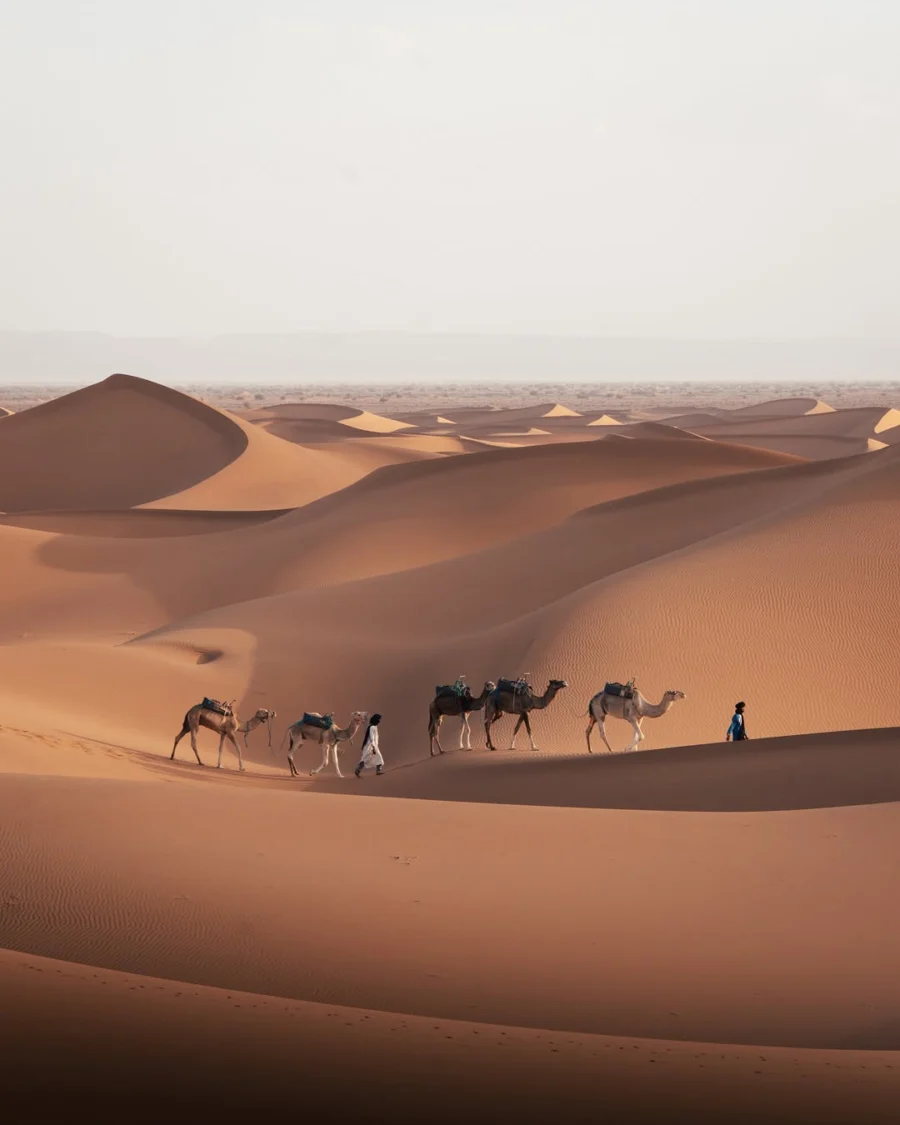
Five to seven days: combine Tangier with Chefchaouen, Tetouan, Asilah and Fes for a relaxed journey through northern Morocco. We can arrange a private itinerary around your arrival city, time, accommodation and travel style.
Best day trips from Tangier
Chefchaouen. The blue city of the Rif Mountains, with painted lanes, mountain views and a relaxed pace. A day trip is possible but involves a lot of driving, so many travellers prefer to spend a night.
Tetouan. A historic, Andalusian-influenced medina with traditional architecture and artisan heritage. It works as a day trip or as part of a northern route.
Asilah. A coastal town south of Tangier with historic walls, whitewashed houses, murals and an artistic character, ideal for a slow day by the sea.
Cape Spartel and the Caves of Hercules. The easiest excursion if you are short on time: dramatic scenery without a full day on the road.
Dalia Beach and the Mediterranean coast. With extra time, the coastline beyond the city offers beaches and scenic stops. Check local conditions and travel times before setting out.
Where to stay in Tangier
- Medina and Kasbah: history and atmosphere in a traditional riad or boutique guesthouse. Check access if you have heavy luggage, as some are on narrow streets or stairs.
- City centre: practical for shops, cafés, restaurants and transport, with modern hotels.
- Corniche and marina: a contemporary coastal feel, modern hotels and easy access to the seafront promenade.
- Marshan: a quieter residential setting close to viewpoints and historic cafés.
What to pack for Tangier
Comfortable walking shoes for the medina, light layers for warm afternoons and cooler evenings, a waterproof jacket in the wetter months, sun protection, a reusable water bottle, a small day bag, clothing suitable for religious and cultural sites, and your travel documents. If you continue to the Rif or further inland, pack for the weather at each destination.
Discover Morocco with Travelinn Morocco
Exploring Morocco should be about more than ticking places off a list. Whether you want to explore Tangier, the blue city of Chefchaouen, the imperial cities or continue south to the Atlas Mountains and the Sahara, we can help you plan a journey that fits your interests and time. Send us your dates, group size and the places you would like to visit, and we will help you plan your trip.


How to get to Tangier
By ferry from Spain: the Tarifa–Tangier Ville crossing takes about an hour in normal conditions and arrives at the city port, close to the centre. Ferries from Algeciras arrive at Tangier Med, a separate port outside the city, so check your arrival port before booking transport. By plane: Tangier Ibn Battouta Airport has domestic and international connections that vary by season; arrange a taxi or private transfer, especially if you arrive late. By train: the high-speed Al Boraq links Tangier with Rabat and Casablanca. By private transfer: convenient from the airport, ferry port or station, and when you want to visit several places outside the city in one day. Check passport validity and Moroccan entry requirements for your nationality before travelling.
How long to stay in Tangier
2 days — best for arriving from Spain, medina and Kasbah, cafés, coastline.
Best time to visit Tangier
Tangier has a Mediterranean-influenced climate. Spring (April to June) is good for the medina, the coast and day trips. Summer (July and August) suits beach lovers and a lively coastal atmosphere, with more demand in holiday periods. Autumn (September and October) is often pleasant for sightseeing, photography and excursions. Winter (November to March) is quieter, with possible rain, wind and cooler days, so bring suitable clothing and keep plans flexible. For many travellers, spring and early autumn offer the best balance.
Best things to do in Tangier
Explore the historic medina
Narrow streets, traditional houses, small squares and artisan shops reveal the most intimate side of Tangier. Wander at your own pace, look for colourful doorways, stop for mint tea and watch everyday life. Wear comfortable shoes: there are uneven streets, steps and slopes.
Visit the Kasbah
Perched above the medina, the Kasbah has fortified walls, winding lanes and viewpoints over the rooftops, the harbour and the coast. Quieter than the commercial streets, it is ideal for architecture and photography.
Discover the Kasbah Museum
The museum occupies the former Sultan’s Palace, Dar el Makhzen, with collections of Moroccan art, history and decorative arts in a palace of courtyards and traditional details. Check opening hours before you go.
Walk through Grand Socco
The square officially known as Place du 9 Avril 1947 is where modern Tangier meets the medina. Have a coffee, watch the city’s everyday rhythm and continue towards the Kasbah.
Pause at Petit Socco
A historic square in the heart of the medina, linked to merchants, cafés and the international life of old Tangier. Order a mint tea and soak up its literary past.
Visit the American Legation Museum
A cultural landmark in a historic medina building, with exhibitions on diplomacy, art, literature and the shared history of Morocco and the United States. Check opening hours and admission.
See the Great Mosque
An important landmark of the old centre. Admire the exterior and its traditional setting, and respect prayer times: prayer areas are usually reserved for worshippers.
Relax at Café Hafa
One of Tangier’s best-known historic cafés, with terraces above the Strait of Gibraltar. Come in the late afternoon for mint tea before sunset and allow time to find a good seat.
Stroll the Mendoubia Gardens
A shaded green escape next to Grand Socco, with mature trees: a quiet break from the bustle of the medina.
Explore the modern city and Boulevard Pasteur
Broad avenues, cafés, shops and hotels show contemporary Tangier beyond the old walls.
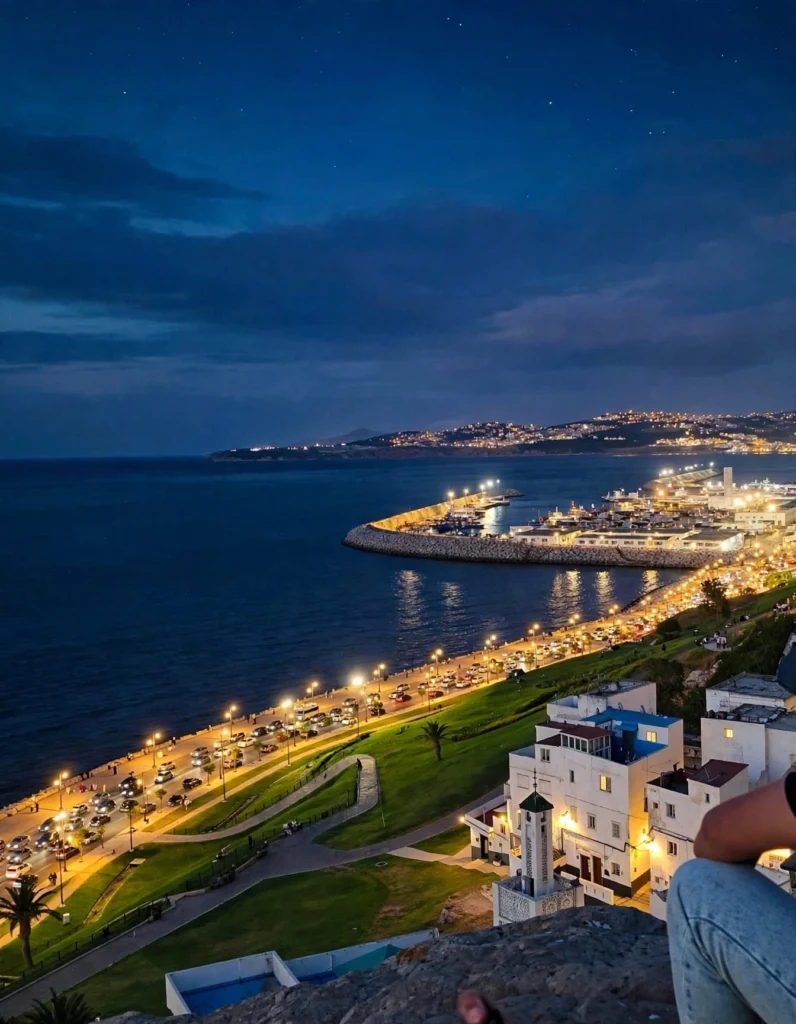
Walk the beach and the Corniche
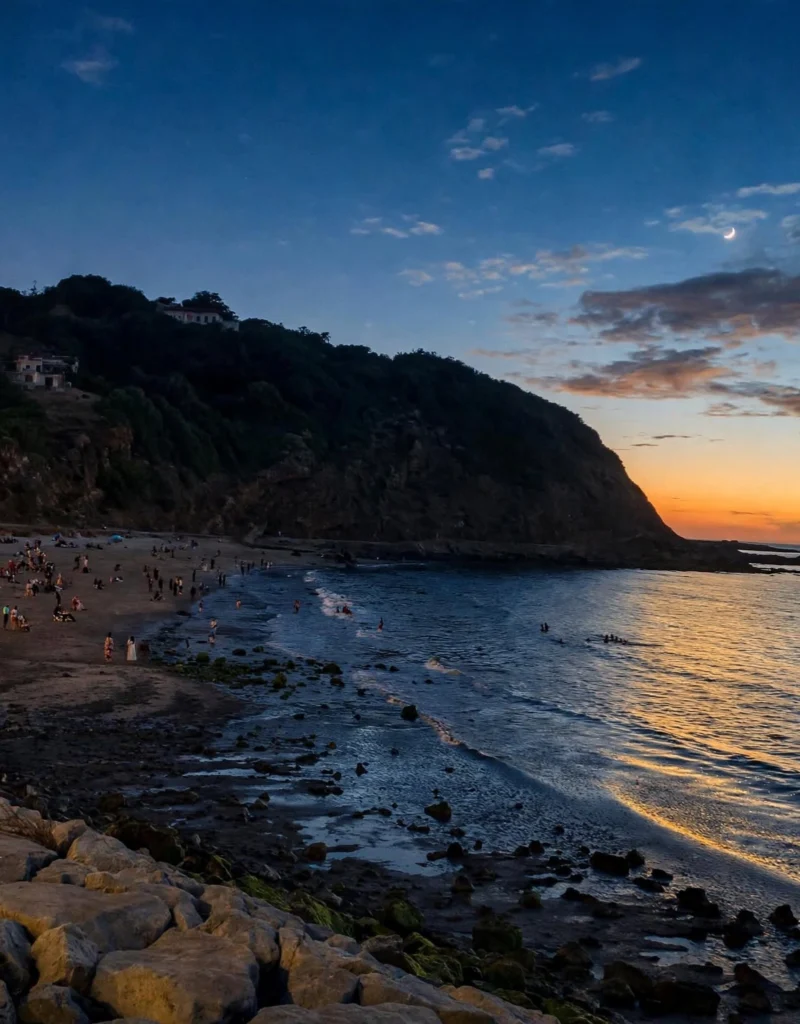
The city beach and seafront promenade, close to the centre, are lined with cafés and restaurants and perfect for an evening stroll. Swimming conditions vary, so follow local advice.
Visit Cape Spartel
West of the city, where the Atlantic meets the entrance to the Strait: cliffs, sea views and a historic lighthouse. Best combined with the Caves of Hercules and nearby beaches in a half-day trip.
Discover the Caves of Hercules
Near the Atlantic coast, these caves mix natural scenery and legend: Hercules is said to have rested here. Their ocean-facing opening is often compared to the shape of Africa. Check access before travelling.
Spend time at Achakkar Beach
Near Cape Spartel and the caves, a wilder stretch of Atlantic coast, beautiful in the late-afternoon light. Currents and waves can be strong, so check conditions before swimming.
Explore the Marshan district
Quiet residential streets, sea views and some of Tangier’s historic cafés. Combine it with Café Hafa and a coastal walk.
Walk in Perdicaris Park
Also called Rmilat Park: forest trails and views towards the sea outside the centre, a refreshing change from the medina. Check access and trail conditions first.
See the Phoenician tombs viewpoint
Near Marshan, a historic and scenic stop above the sea. Stay within permitted areas and do not climb on the archaeological remains.
Shop in the souks
Look for handmade leather goods, textiles, ceramics, jewellery and woven products in and around the medina. Compare quality and craftsmanship: a good souvenir also supports local artisans.
Try traditional Moroccan food
Tagine, couscous (especially on Fridays), pastilla, fresh fish and seafood, msemen and harcha for breakfast, harira and mint tea. If you have dietary restrictions, ask about ingredients before ordering.
Enjoy Tangier at sunset
End the day at Cape Spartel, Café Hafa, Marshan or along the Corniche, with the sea breeze and the changing colours over the Strait.
What to expect
Tangier offers a distinctive combination of Moroccan culture, coastal scenery, historic architecture and international influences. The medina and Kasbah bring history and atmosphere, while Cape Spartel and the Caves of Hercules reveal the beauty of the coastline. Add traditional food, historic cafés and excursions to nearby towns, and Tangier becomes much more than a place to pass through. One or two days are enough for a city break; stay longer to explore northern Morocco.
Practical tips
- Respect local customs: modest clothing is appropriate in religious and traditional settings.
- Carry some Moroccan dirhams: cards work in many hotels and larger businesses, but cash is useful in small shops, cafés and markets.
- Agree the price and destination before taking a taxi or local service.
- Use official providers for ferries, intercity trains and airport transfers.
- Allow extra time for the ferry: check-in, border formalities and schedule changes can add time.
- Ask before photographing people.
- Keep valuables secure in busy squares, markets and transport hubs.
- Plan coastal outings around the weather: wind and waves affect beaches and excursions.
- Don’t overload your itinerary: Tangier rewards time spent in cafés and wandering.
- Check opening hours, timetables, entry requirements and local conditions before you travel.